Featured
Table of Contents
Tailor your rules to match project intent. Your rules are recorded and account for statistical significance. You've analyzed circumstances like "what if a winning project suddenly underperforms for three days?" and "how do we handle projects throughout seasonal changes?" Your automation has clear instructions for every single scenario it might come across.
You have actually built the foundationaccurate tracking, strong attribution, clear rules. Time to connect whatever and let automation start making choices. Begin by incorporating your advertisement platforms with your attribution and automation system. A lot of contemporary attribution platforms offer native integrations with Meta, Google, TikTok, and other major ad networks. These combinations enable the system to both pull efficiency data and push budget plan adjustment commands back to your advertisement accounts.
Set up conversion sync to feed accurate information back to platform algorithms. This is where server-side tracking pays extra dividends. When you send enriched conversion events back to Meta or Googleevents that include real income, customer lifetime worth signals, and complete attribution datayou improve how those platforms' native algorithms optimize within your campaigns.
Mastering the Winning PPC Strategy
If Meta's algorithm only sees partial conversion data because of iOS limitations, it optimizes based upon incomplete details. When you sync complete server-side conversion data back to Meta, you're essentially teaching its algorithm what an important conversion really looks like. This enhances both manual and automated project performance. Understanding advertisement platform algorithm optimization techniques assists you maximize this benefit.
The majority of automation systems let you set conditions and actions: "If campaign ROAS surpasses 4x for 7 successive days AND overall conversions surpass 10, increase everyday spending plan by 25%." Translate your recorded rules into these condition-action pairs. Start conservative. Even if you're positive in your setup, start with lower budget modification percentages and longer assessment windows than you may ultimately use.
Enable automation for a subset of your projects. Pick your most stable, foreseeable campaignsones with constant conversion volume and clear performance patterns. Let automation handle those while you continue manually handling newer or more unstable campaigns. This staged rollout lets you verify that automation works before expanding it across your entire account.
When the system makes its first budget increase or decrease, verify that the decision makes sense based on the data. Verify that the budget modification actually carried out in the advertisement platform.
You can see the decision trailthis campaign crossed the limit, so automation increased the spending plan by this amount. The modifications perform effectively in your ad platforms without manual intervention. The most successful automated optimization systems develop constantly based on real-world results.
Scalable Ad Strategies to Fuel Ecommerce Success
Examine automated choices daily. Review what actions the system took, validate they line up with real performance, and look for any unanticipated patterns.
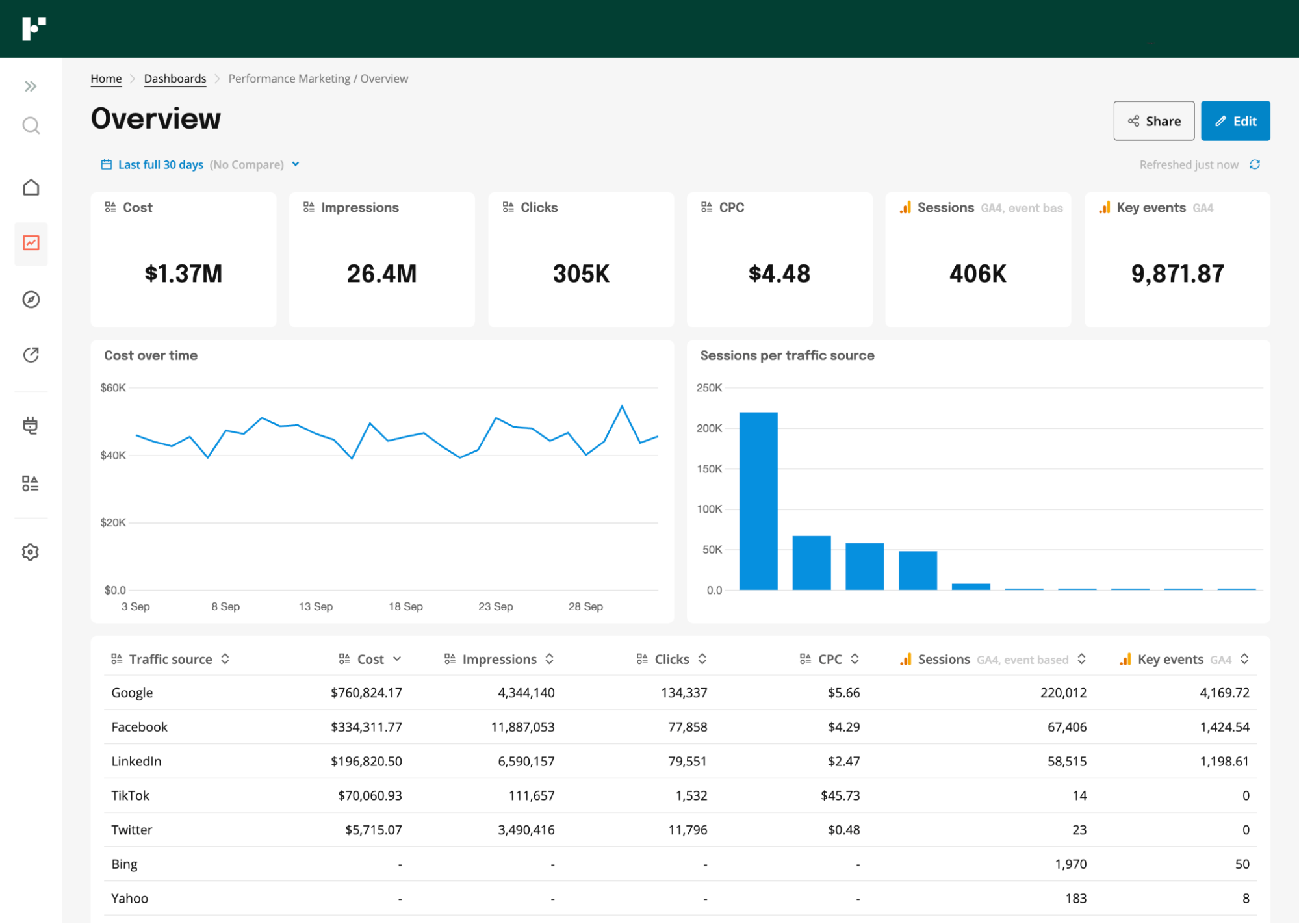
Before automation, what was your average ROAS throughout all campaigns? What was your common time invested in budget management weekly? Now that automation is active, are those metrics improving? The goal isn't simply to conserve timeit's to accomplish better results while saving time. Lots of marketers find that automated optimization recognizes scaling chances they would have missed manually.
Automation captures those opportunities due to the fact that it's constantly examining every campaign against your performance thresholds. Fine-tune your thresholds and rules based upon real-world outcomes. Possibly you find that your 4x ROAS threshold is too conservativecampaigns regularly keep efficiency even when scaled at 3.5 x ROAS. Or perhaps you discover that 20% spending plan boosts are too timid for your winners, and you can securely scale by 40% without interfering with efficiency.
Innovating PPC With GEO Optimization
See for seasonal patterns or external elements that affect automation efficiency. During slow durations, conversion rates may dip, causing automation to pull back budget plans.
Expand automation slowly to additional projects and platforms. Once your initial test projects show constant enhancement under automation, roll it out to similar campaign types. Eventually, you might automate budget plan allotment throughout your entire paid media mixletting the system shift dollars from underperforming Google campaigns to winning Meta projects based on cross-platform attribution information.
Keep notes on which guidelines work best for different project types. Tape the edge cases you come across and how you resolved them. This institutional knowledge becomes important as you scale automation or as new staff member sign up with. It's the difference in between going back to square one each time versus building on tested structures.
You're capturing and scaling winning campaigns much faster than you could by hand. You're cutting losses on underperformers before they drain pipes considerable budget. The system handles routine optimization decisions, freeing you to concentrate on imaginative method, audience research study, and high-level planning. Setting up automated ad spend optimization isn't a one-day projectit's a systematic procedure that develops on accurate information and clear decision guidelines.
Scalable Paid Tactics for Digital Success
You stop responding to the other day's performance and begin proactively scaling what works. Server-side tracking executed and verifiedyour conversion information matches real company records3.
Optimization rules and limits documentedautomation has clear directions for every scenario5. Platforms gotten in touch with conversion sync activehigh-quality data flows both methods in between your attribution system and advertisement platforms6. Monitoring procedure establishedyou're examining automated choices and refining guidelines based on resultsThe online marketers who are successful with automation are those who invest in the structure.
Without it, you're simply automating uncertainty. With it, you're automating intelligence. Start with one campaign or platform, show the system works, then broaden. You don't require to automate whatever at the same time. Start where you have the most information and the clearest efficiency patterns. Let success build self-confidence, then scale your automation alongside your campaigns.
PPC and Social Ads: Finding a Best Balance
While your rivals are still by hand shifting spending plans based on platform control panels, you're enhancing based on complete client journey information and real earnings attribution. The right attribution foundation makes all the difference between automation that squanders budget plan and automation that scales winners.
That's why today, we're introducing to offer businesses a much easier method to manage their ad budget plans and make sure ideal outcomes. This tool will be rolling out to marketers in the coming months. Using campaign budget plan optimization, advertisers can set one main project spending plan to optimize throughout advertisement sets by distributing budget plan to the leading carrying out advertisement sets in actual time.
With campaign budget plan optimization, to get the very best results for their project. In addition to setting a daily or lifetime campaign budget, businesses can set bid caps and spend limitations for each ad set. By dispersing more of a budget plan to the highest carrying out ad sets, marketers can make the most of the total worth of their campaign.

Latest Posts
Effective Multi-Platform Methods for Media Tactics
Auditing Existing Search Accounts for Efficiency
Scalable Paid Tactics to Fuel Digital Success